

Three things decide whether you last in sales: how well you sell, how well you recover, and how well your systems work. Sales, Wellness, Systems. Most reps build one. A few build two. Almost nobody builds all three — and that is why the average rep is gone in eighteen months.
I have sold for twenty-five years, nearly all of it on the phone. This is the model I use to explain why some people are still here at twenty years and most are gone before their third. It is the spine of everything I write in Longevity, and it is the reason this site talks about your body and your pipeline on the same page.
Here is the whole model in one table. The third column is the one worth sitting with.
| Pillar | What it governs | What it looks like when it is missing |
|---|---|---|
| Sales | Talk track, questions, methodology, objection handling, follow-up | You work hard and hit nothing. You blame the list. |
| Wellness | Physical health, mental well-being, recovery, sleep, movement | You hit your number for a year. Then you are gone. |
| Systems | Workflow, CRM, tech stack, hardware, automation, AI | You do everything by hand, so your ceiling is your hours. |
Pillar 1 — Sales: the skill that pays for everything
This is your talk track. Your questions. The methodology you actually run instead of the one you read about. How you handle an objection when you cannot see a face, and how you follow up without becoming the person who gets ignored.
It has to come first, because it is the pillar that pays. No amount of sleep, breathwork, or automation fixes a discovery call where you did not ask anything worth answering. If your skill is the problem, everything else is decoration.
I learned this pillar the expensive way. In my mortgage years I was closing fifteen to twenty-five transactions a month, every month, for three years. The skill was there. I could hold a call together on a bad day. What I did not have was either of the other two pillars — and that is the part of the story nobody tells you about the guy with the good numbers.
Track two pillars on one page
The Remote Closer’s Daily Tracker puts your outbound numbers and your recovery on the same sheet, so you can see the trade you are making while you are still making it. Free, one page.
Pillar 2 — Wellness: how long you get to use pillar one
Physical health, mental well-being, and recovery. Sleep, movement, food, and a real stop time at the end of the day.
For most of my career I treated this as something to deal with later. The dialer came first. Later never arrived on its own, and the cost did not show up as a bad month — it showed up as not wanting to pick up the phone on a Monday when nothing was actually wrong.
What changed it was not a sales book. It was Atomic Habits. I started building small systems the same way I build a call block: on purpose, at the same time, whether I felt like it or not. My numbers did not drop. They got steadier — which is the part people do not expect.
The number that should bother you
Most reps who leave are hitting quota when they go. They are not failing. They are done. That is a wellness problem wearing a performance costume, and no amount of coaching on pillar one will touch it.
Pillar 3 — Systems: the pillar that sets your ceiling
Your workflow. Your CRM and how honestly you use it. The software, the hardware, the templates, the automations, and now the AI that can take an hour of admin off your afternoon.
Systems decide how much your skill is worth. Two reps with identical ability will produce very different numbers if one of them is retyping the same follow-up forty times a week and the other is not.
I spent five years on a high-volume inside sales floor at Realtor.com living inside Salesforce every day, and five years before that selling websites and marketing systems to real estate brokerages. What I took from both is simple: the work you do by hand is the work that caps you. And when you are capped, the only lever left is hours — which is exactly how pillar three quietly breaks pillar two.
Two pillars is the trap
Almost everyone reading this has two. The specific two you have tells you exactly how your career ends.
- Sales and Wellness, no Systems. You are good on the phone and you feel fine. You are also capped, because everything runs through your hands. Growth means more hours, and more hours is the thing that takes the wellness pillar down.
- Sales and Systems, no Wellness. This is the dangerous one, because it looks like winning. Efficient, effective, great numbers — and gone in eighteen months. This is the rep who quits at 88% of quota and cannot explain why.
- Wellness and Systems, no Sales. Rested, organised, and not hitting the number. Pleasant to be around, and out of a job by Q3.
That is why it is pillars and not a checklist. A checklist you can do three-quarters of. A roof cannot stand on two.
And how does this let you keep doing it?
Because it moves the question from “how do I hit this month” to “what is my weakest pillar right now.” Those are very different questions, and only one of them has an answer you can still use in year eleven.
Quota is a monthly problem. Careers are not. Every time I have come close to leaving this job, it was not because my numbers broke — it was because one pillar had been neglected long enough that it started pulling the other two down with it. The model exists so you can catch that early, while it is still a small correction.
How to start this week
- Name your weakest pillar honestly. Not the one you enjoy working on. The one you have been avoiding.
- Make one change, small enough to be boring. One better question in discovery. One stand-up break an hour. One template you stop retyping.
- Write it down daily for thirty days. Not to be disciplined — to have evidence. You cannot argue with your own handwriting about how the last month actually went.
Keep reading
The 90-Second Reset — the wellness pillar at its smallest possible scale: four steps, ninety seconds, run between calls.
Remote Selling — the sales pillar in practice, narrowed to people who sell alone.
Longevity — the hub this article belongs to.

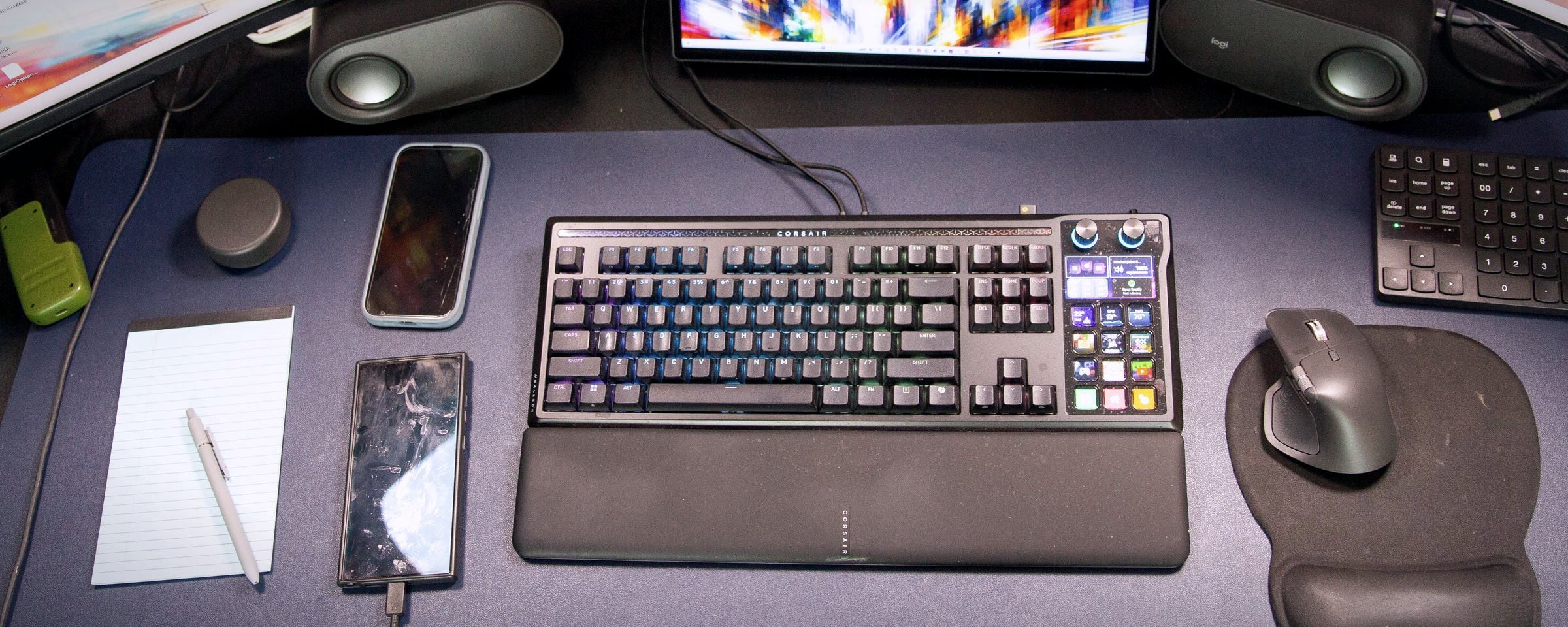
Get the daily tracker
One page. Your calls and your body on the same sheet — because the thing that ends sales careers is not quota, it is the pace.
Four places to start

Longevity
Burnout, tenure, and what a twenty-five year run actually looks like from the inside.

Remote Selling
Tactics for people who sell alone, with no floor to learn from.
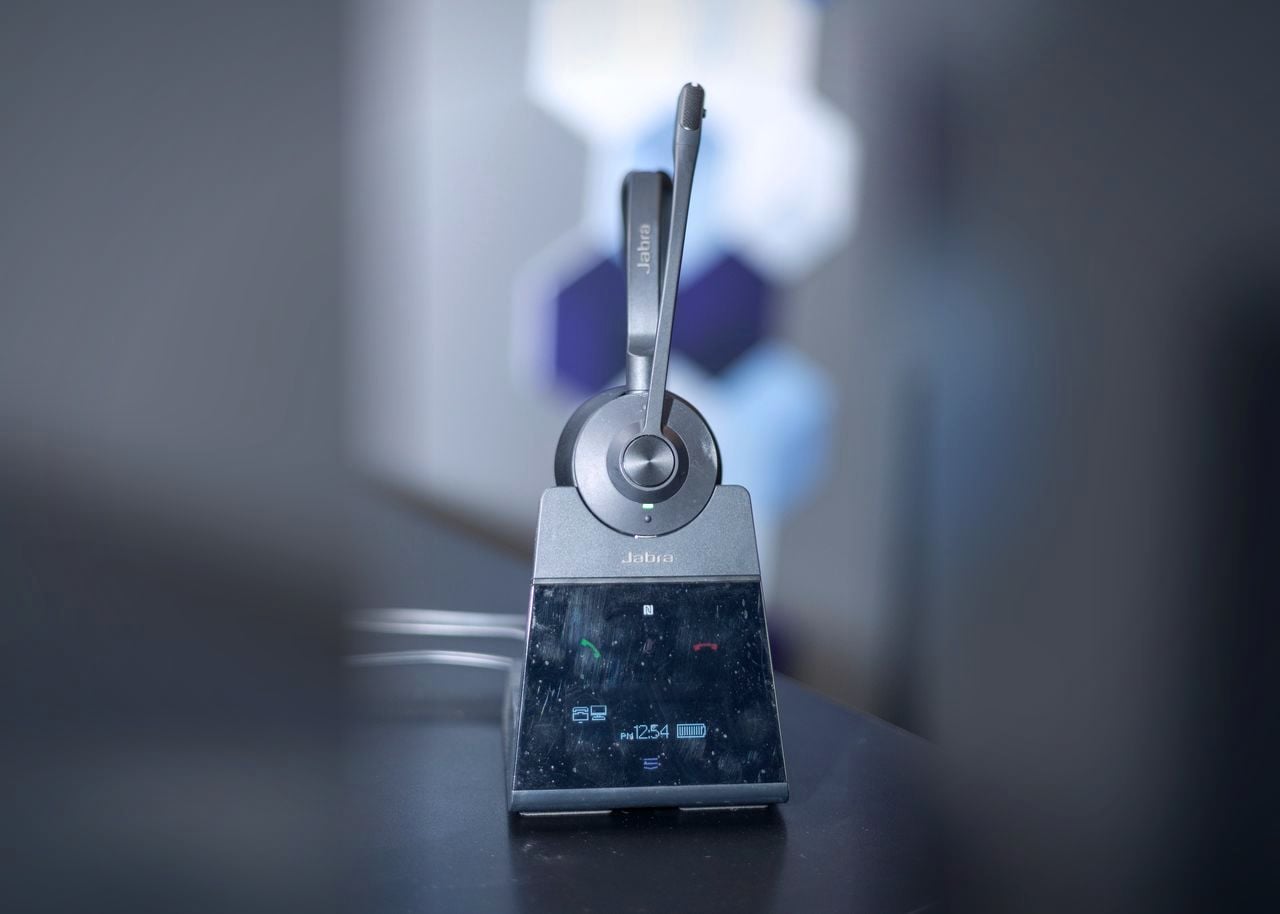
Gear
The desk, headset, and room you spend all day in.
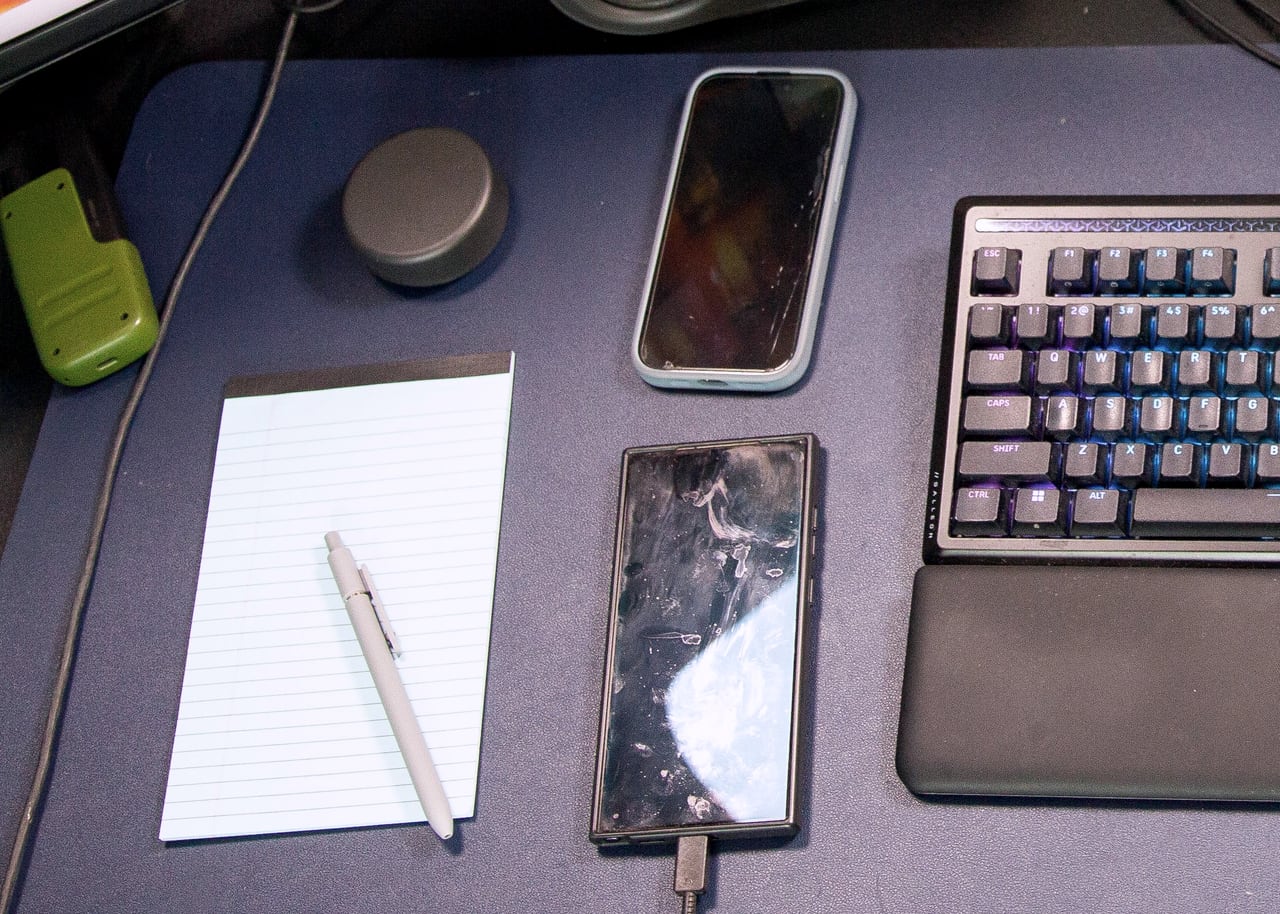
Systems
AI workflows, tooling, and the admin time that eats a selling day.