

A bad call does not end when you hang up. It rides along into the next dial, flattening your tone and shortening your patience — and the prospect on the other end pays for a conversation they were not part of.
Most reps handle this one of two ways. They power through, stacking calls until the day blurs and quality quietly drops. Or they take a real break, lose the rhythm, and spend twenty minutes finding it again. Both cost you.
There is a third option: a deliberate reset between sales calls that takes ninety seconds and leaves your momentum intact.
Why the residue is physical, not mental
After a hostile or humiliating call, your body is running a stress response — elevated heart rate, shallow breathing, tight jaw. Telling yourself to shake it off does nothing, because the problem is not a thought. Your voice carries the tension whether you have processed it or not, and prospects hear it as hesitation or aggression.
You cannot think your way out of a physical state. You have to change the state first.
The protocol below works because it targets the body in a specific order: breathing to slow the heart rate, posture to release the load-bearing muscles, then a single deliberate sentence to close the loop mentally.
The protocol
1 · Stand up and exhale longer than you inhale
Four counts in, six counts out, four rounds. The extended exhale is what triggers the parasympathetic shift — not deep breathing in general. Do not skip standing; it changes the depth of the breath.
2 · Drop your shoulders and unclench your jaw
Both hold tension you stopped noticing hours ago. Your jaw in particular changes the resonance of your voice, which is the entire instrument of your job.
3 · Name what actually happened, out loud, in one sentence
“He was angry about billing and I was the first person he could reach.” Specific and factual. This is not positive thinking — it is separating the event from your read on your own competence.
4 · State the next action, then take it within ten seconds
“Next call is a warm follow-up with Dana.” The gap between reset and re-entry is where rumination lives. Close it fast.
The takeaway
Recovery is not a break from selling. It is the maintenance that keeps call forty as good as call four — and call forty is where most quotas are actually won or lost.
When ninety seconds is not enough
Sometimes the call was genuinely bad — a customer in real distress, a personal insult that landed, news you were not prepared for. The protocol will not dissolve that, and pretending otherwise is how reps end up burned out while insisting they are fine.
The signal to watch for is carry-over across calls. If you run the reset and still find the last conversation showing up two or three dials later, stop dialing. Take ten minutes away from the desk. That is not weakness or lost pipeline; it is the difference between one lost hour and a lost week.
Make it automatic
The reset only works if you do not have to decide to do it. Attach it to a trigger you already have: the moment you mark a call disposition, the moment you stand to refill water, the end of every third dial regardless of how it went. Treat it as part of the call, not as something extra you fit in around the call.
Run it for one full week before judging it. The effect is not dramatic on any single call — it shows up in the back half of the day, in the calls you would otherwise have phoned in.

Get the daily tracker
One page. Your calls and your body on the same sheet — because the thing that ends sales careers is not quota, it is the pace.
Four places to start

Longevity
Burnout, tenure, and what a twenty-five year run actually looks like from the inside.

Remote Selling
Tactics for people who sell alone, with no floor to learn from.
Gear
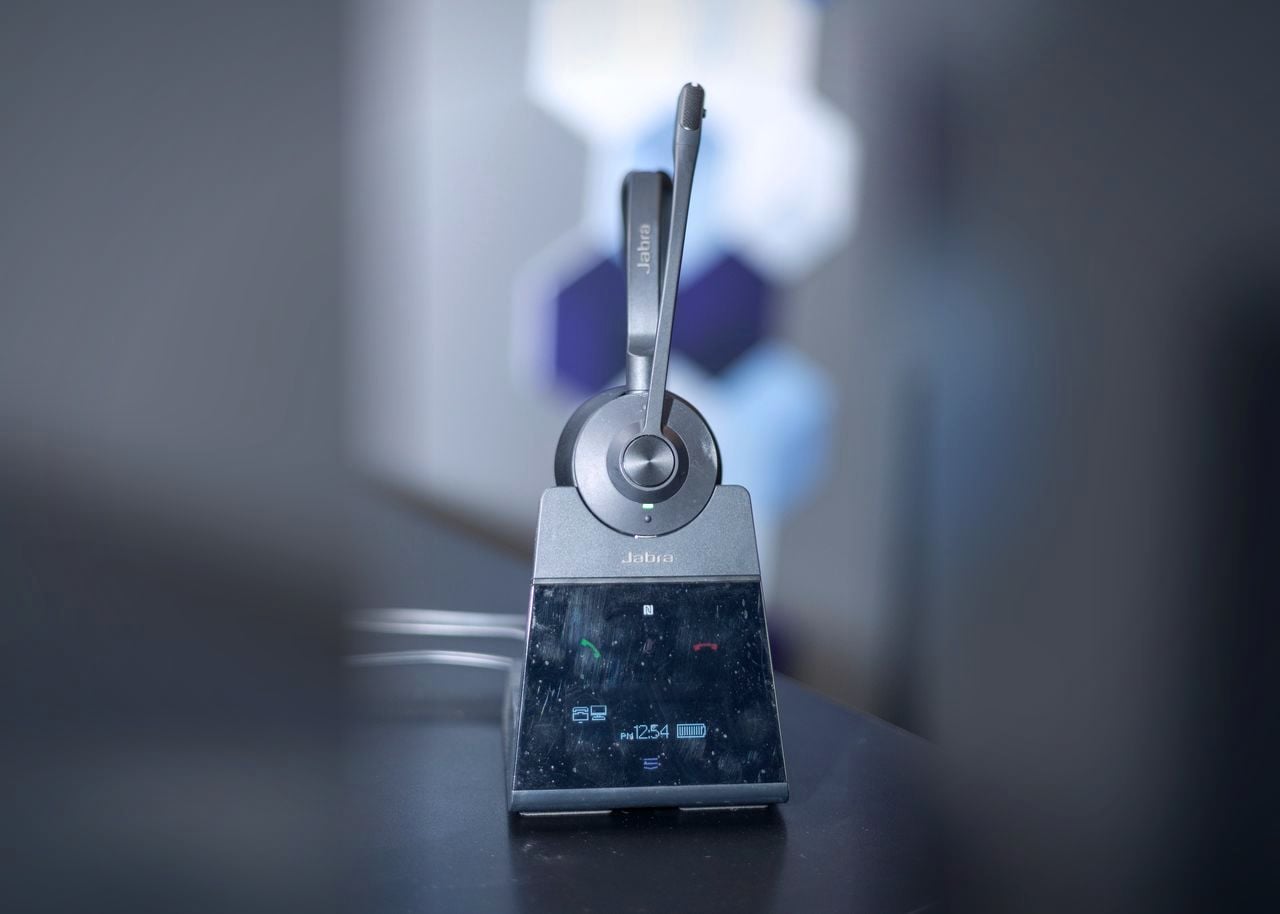
The desk, headset, and room you spend all day in.
Systems
AI workflows, tooling, and the admin time that eats a selling day.